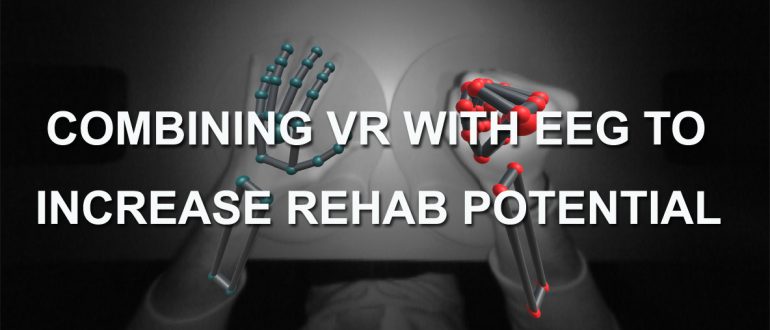

Can your ‘brain waves’ be used to identify the movements of your limbs? Can you use them to interact with virtual environments using only your thoughts? Maybe!
So, what if you’re a survivor who needs to work towards regaining action control? Maybe you’re struggling with displaying enough underlying motor control to even start a movement on your more-affected side?
As you know, there are around 1.3 million people who are living in the UK right now, coping with the effects of stroke. And you’re also no doubt very aware that after hospital discharge, many survivors come to lack access to the kind of daily intensive rehabilitation they need for maximal chances of recovery combined with the learning of effective coping strategies. Upper limb often doesn’t get tackled much clinically. So, what to do?
Evidence is piling up to reveal that therapy in combination with technological interventions (amongst other adjuncts) may be an optimal way, with a lot of dedication and effort, to provide enough ‘task dosage’ over time to stimulate sustained functional change.
‘Computer Gaming’ is one such intervention, via simple computer screens or virtual reality (VR) headsets. However, acknowledged existing barriers to rehabilitation games include their limited focus on specific movements, their single-player experiences and often, the absence of brain-based co-activation.
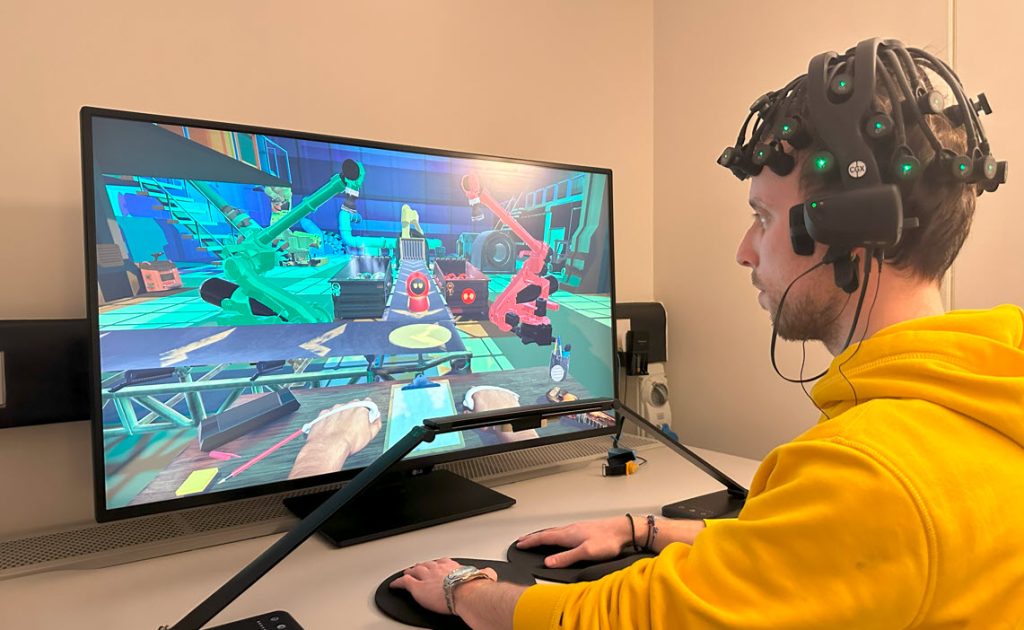
One way to try and bridge this gap for stroke survivors (to add in to the ‘mix’ of what you might try to do to retrain for upper limb function at home) is possibly by trying a ‘gaming’ experience which combines VR with electroencephalogram (EEG) and multiplayer option.
The idea of this would be basically to empower survivors to take more control of their own recovery; by increasing the focus, fun, duration, intensity and independence of their own retraining. You would be then able to track your recovery journey through performance metrics, with feedback from a therapist enabling better decision-making in your rehab.
 The Department of Computing at Imperial College London is evaluating a platform called ‘CogiGames Home’, and have asked ARNI Charity to pass this message below to stroke survivors, carers (and professionals to forward if appropriate):
If you have limb weakness and live anywhere in London, would you like to come and try on a VR/EEG headset?
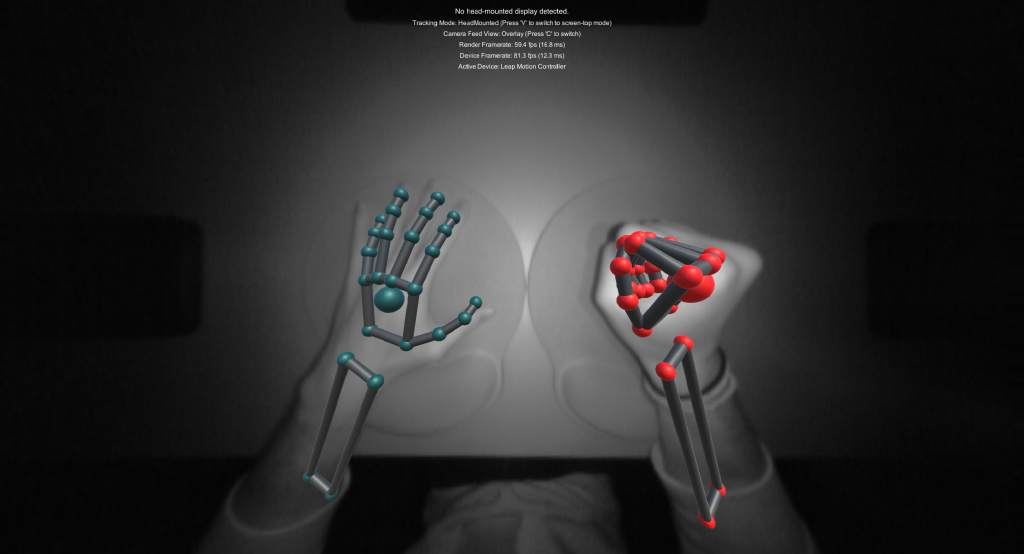
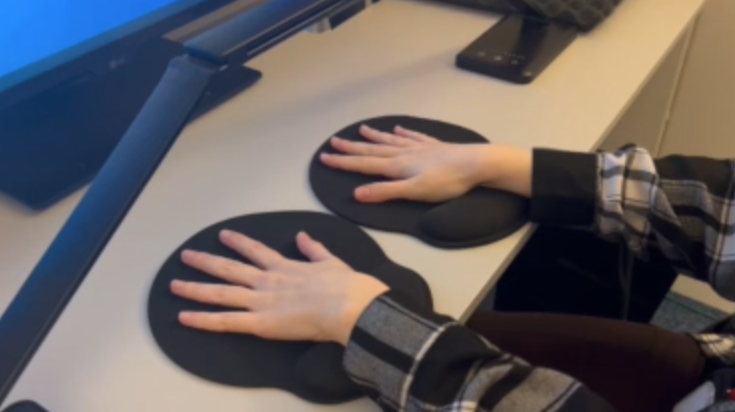
If you would, the Imperial research team will ask you to do some simple real and imagined movements of the extremities, and a game which you can control with your movements.
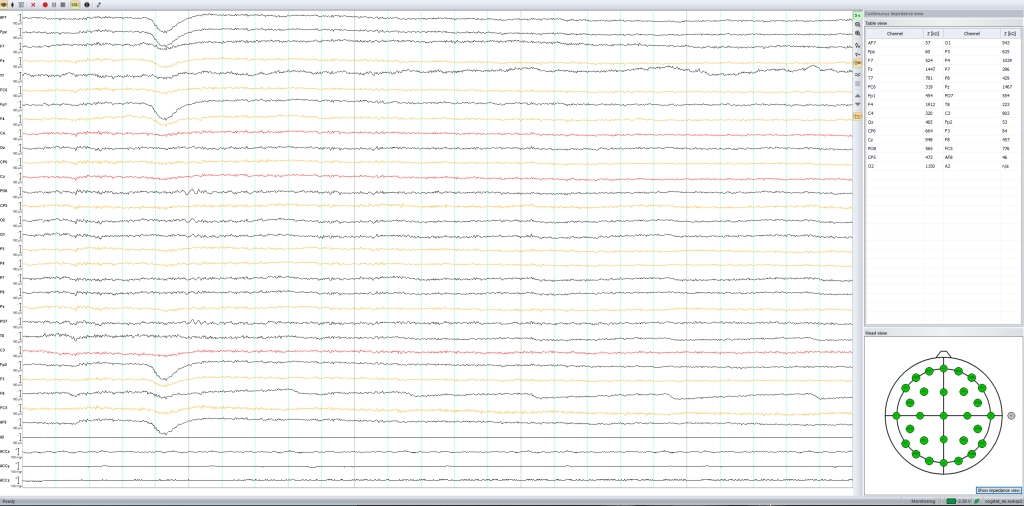
They will record your ‘brain-waves’ and the collected data will be grouped to train algorithms that can then be used to examine possibilities such as facilitating navigation in virtual environments, seamless user interaction with objects in computer gaming or even rehabilitation training of post-stroke patients towards regaining the ability to control their limbs.
The device is completely non-invasive and painless, with only dry electrode pads touching your head to detect your brain waves. The idea is to make it as comfortable and interesting as possible for participants.
The project has been approved by Imperial College Research Governance and Integrity Team (number 22IC7505), and is sponsored by Imperial College London. Currently they have already conducted the sessions with several stroke survivors, with generally positive feedback.
 The project is led by Dr Allan Ponniah, a consultant with Royal Free NHS Foundation Trust, and Dr Robert Simister, a consultant neurologist at University College London Hospitals NHS Foundation Trust.
Media coverage of the project can be found at: https://www.imperial.ac.uk/news/245755/cogitat-partnered-with-nhs-bring-neurotechnology/
Experiment details
How to sign up? You can express your interest to participate, by sending the research team an email at mybraincommands@imperial.ac.uk and they will get back to you with details on how to book an appointment and access the site.
Where? Room 307A, Huxley Building, 180 Queen’s Gate, South Kensington, London SW7 2AZ.
What do we offer? £30 is offered as a gift to each participant.
How long will it take? 40-50 minutes.
Who can take part? Any stroke survivor over 18 with upper limb disability (weakness in either or both arms).
The vision of the project
Following this experiment, the Department plans to proceed to the full device in the next few months. You will then be invited to try on the combined full headset with a fully developed ‘game’ which will be a robust and effective device for you and other stroke survivors.
We at ARNI understand from Imperial that they hope this will be an exciting and beneficial experience for participants! You potentially not only may benefit from personal cutting-edge rehabilitation but also contribute to the advancement of stroke recovery technology ‘in the round’.
Please join through the links above and the Department will be able to organise sessions as soon as possible at a time of your convenience.
For any question or comments, please feel free to get in touch with Ms. Na Lee (Research Assistant) on na.lee12@imperial.ac.uk
Please join through the links above and the Department will be able to organise sessions as soon as possible at a time of your convenience.
For any question or comments, please feel free to get in touch with Ms. Na Lee (Research Assistant) on na.lee12@imperial.ac.uk

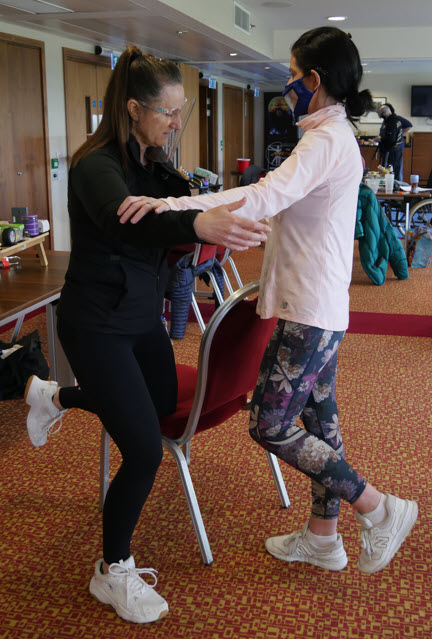 Balance (both standing and walking) training is the only effective treatment for balance disorders, as recommended by the National Institute for Health and Care Excellence (NICE) UK
 At University College London’s Institute of Neurology, a large-scale global research project (funded by a European Union Horizon 2021 grant), is under way (led by

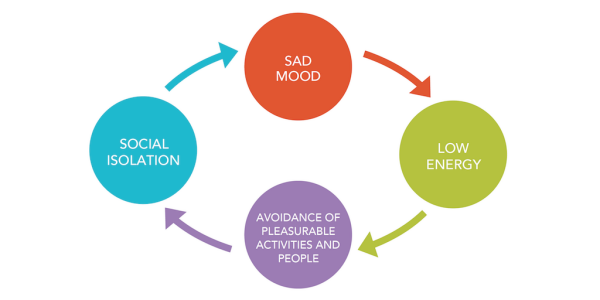
 Researchers from the Translational Neuropsychology Lab at the University of Oxford are interested in designing better treatments for depression in stroke survivors.
 First, a member of the research team will contact you and see if you are eligible. This will involve them asking you some questions to make sure you are:
 For further help with this issue, please contact DEPRESSION ALLIANCE: A UK charity which helps people with depression, run by sufferers themselves.
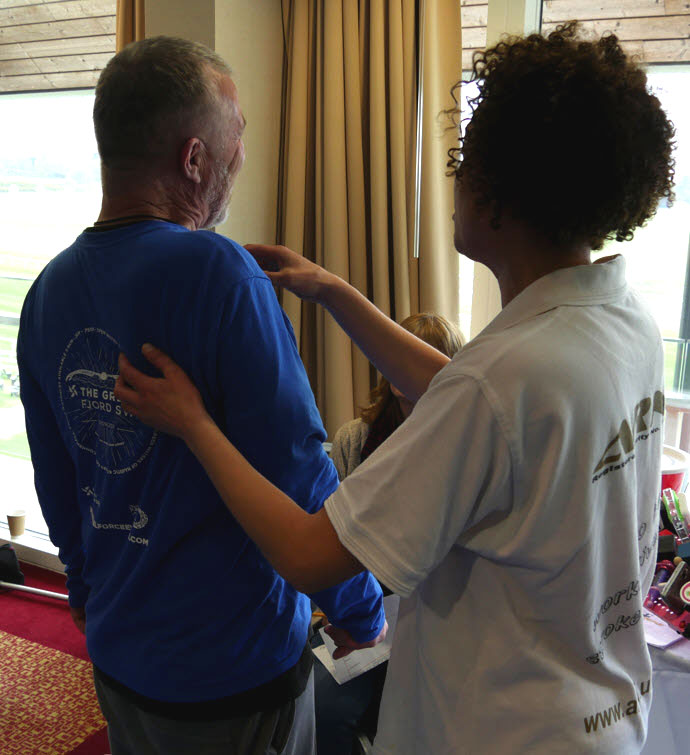 The new (April 2023) stroke guidelines state (click link):
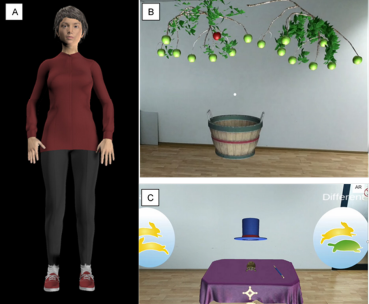
 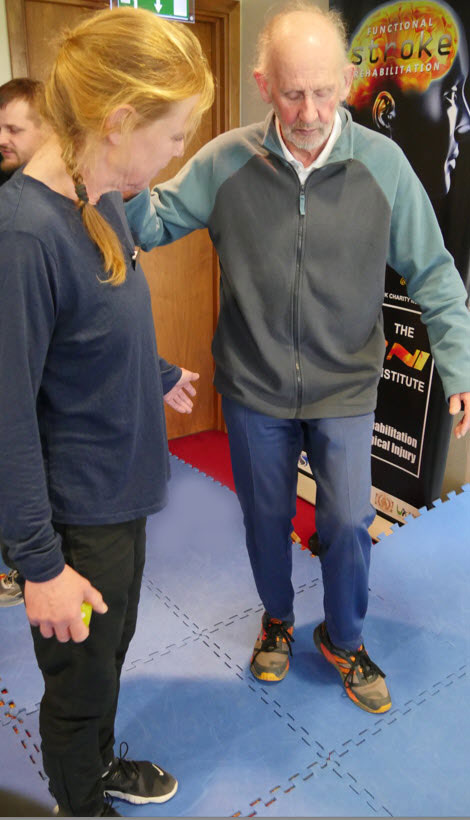 However, access to specialist balance rehabilitation services can be poor due to the lack of enough specialists and sufficient health resources. Current programmes can be sub-optimal in that they are not truly multisensory, do not include any cognitive component (which is a key factor in determining both static and dynamic balance), and do not address real life symptoms reported by patients as challenging.
 Research, led by
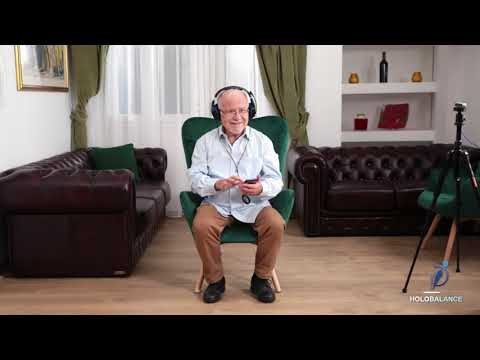
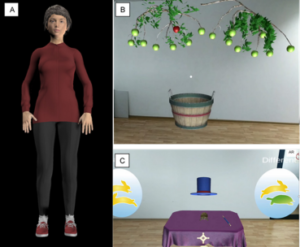
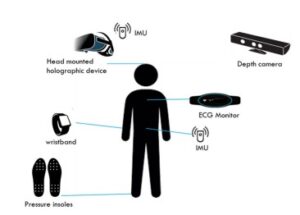 During the focus group, the team will have you watch a video which explains the HOLOBalance system. The team will then conduct semi-structured interviews related to the system usability and experience. They may also ask you additional questions as a group, to gather further feedback on the system.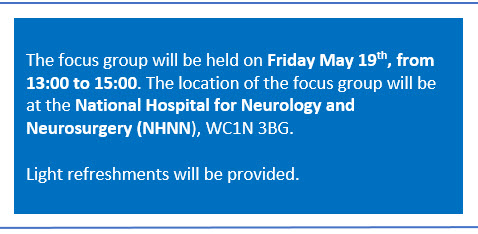

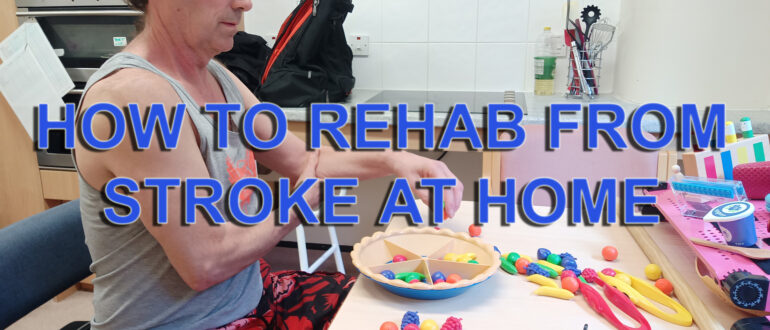
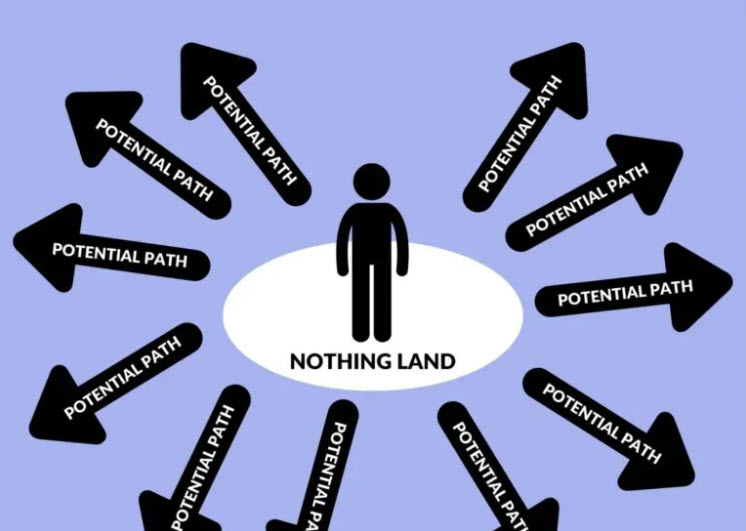 So many stroke survivors, at varying points during their respective times from stroke, have no idea how to start (or re-start) their recoveries. Or they do know about some options. But in either circumstance a majority don’t know what to do for themselves to stand the best chances of gaining some functional success for their efforts.
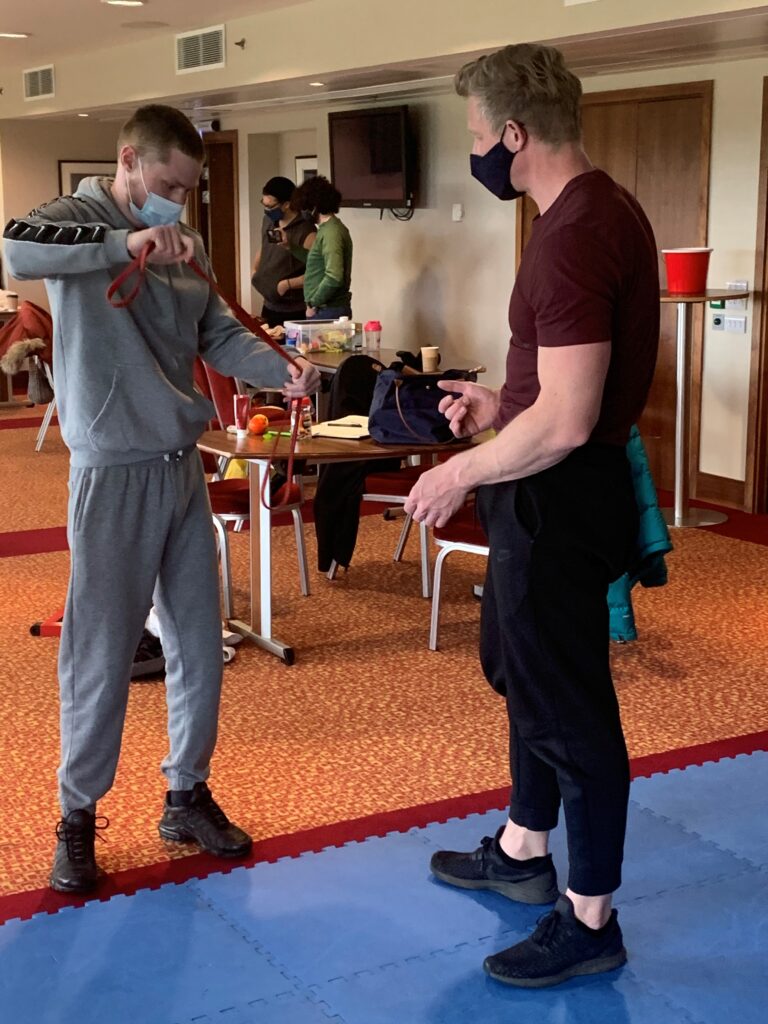 The reason why it’s important to be able to ‘contextualise/frame yourself’ in terms of the possible progress you can make by comparing yourself to existing data (seeing where you might fit or be one of those outliers etc), is that in the community, it’s very unlikely that you’ll be able to have any of the types of measures applied to you that therapists use clinically on patients unless one is working actively with a therapist.
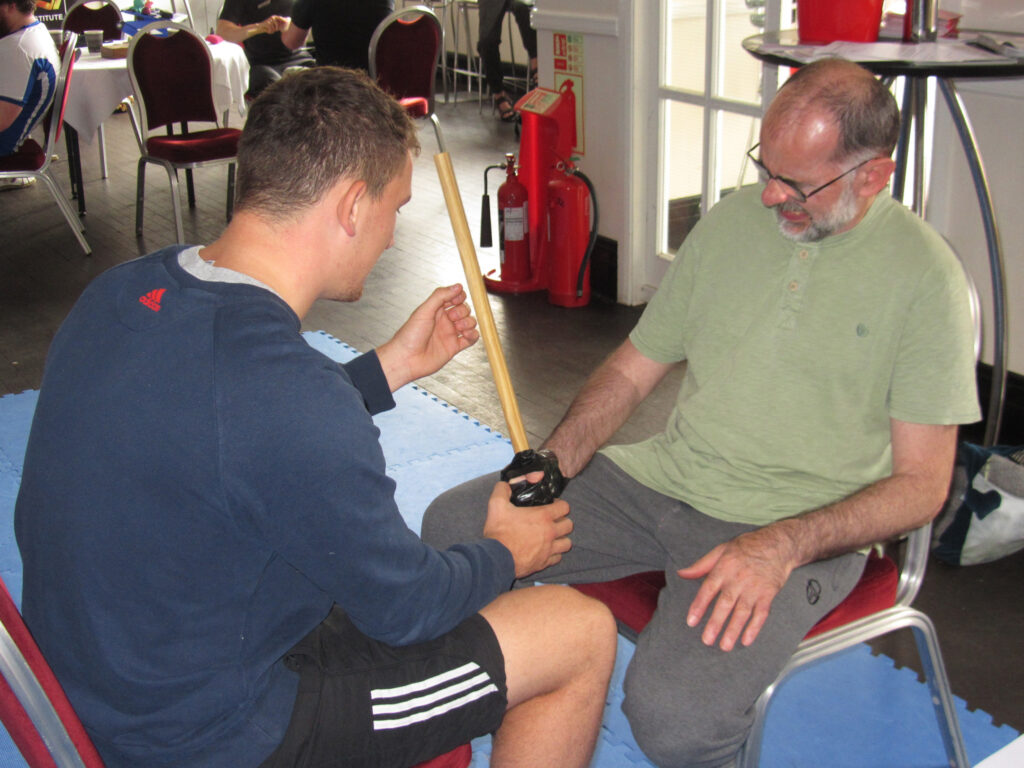 For instance, if you love playing golf and really want to get back to it after stroke, it might not be appropriate to practise straightaway with your Number 5 iron in your house, unless you have a high ceiling and your control is already very good!
 Finding a Speech and Language therapist after discharge is notoriously difficult and SLTs are almost exclusively clinical and/or have big case-loads to take care of. And we know that SLT is often prohibitively expensive to engage with or just unaffordable, meaning people just get incredibly frustrated.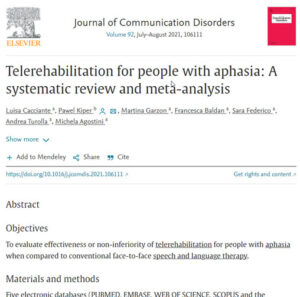
 Storm Anderson, a UK-based speech and language therapist who has predominately treated adults affected by stroke and other acquired brain injury in acute hospital settings as well as out-patient and home-based settings. She has completed her BSc in Speech Language Pathology and MSc in Stroke Medicine, and is currently undertaking her PhD at Queen Square, UCL, using the PLORAS (Predicting Language Outcomes After Stroke) datasets.
 Olivia Hodgkinson, a Johannesburg-based qualified Speech Language therapist who completed her BSc and MSc in Speech and Language Pathology at Cape Town University. She has substantial experience in both clinical (acute, sub-acute, specialised rehab and extended units) and educational settings. who has worked within highly diverse settings and within multidisciplinary teams and units. She has led and run therapy departments, supervised and mentored speech therapy university students, developed school based educational assessment programs and support structures for specialised learning units, initiated and implemented training for staff, allied professionals, family and caregivers on a variety of scope related topics in school, hospital and community based settings. She has strong dysphagia experience and skills and is a certified Vital-stim practitioner. She has a great passion for adult neurological injuries and disorders, voice disorders and dysphagia and is looking forward to helping you!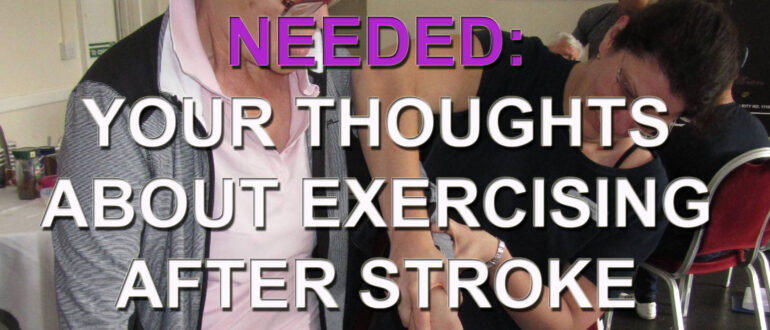
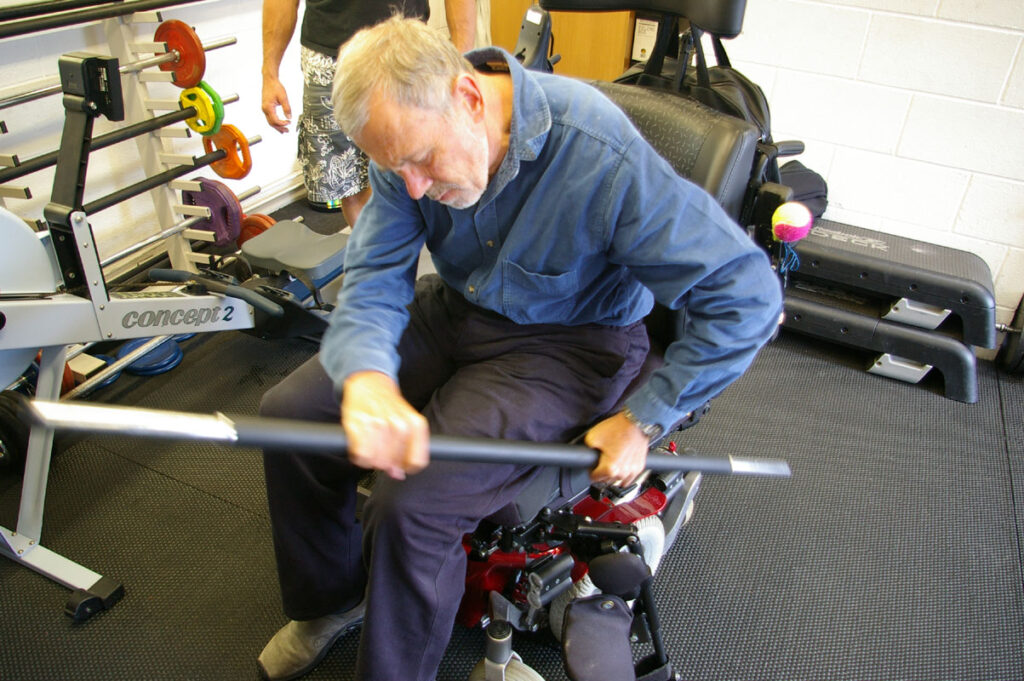 Are you a stroke survivor aged 65 years old or older, who has had a stroke at least 6 months ago?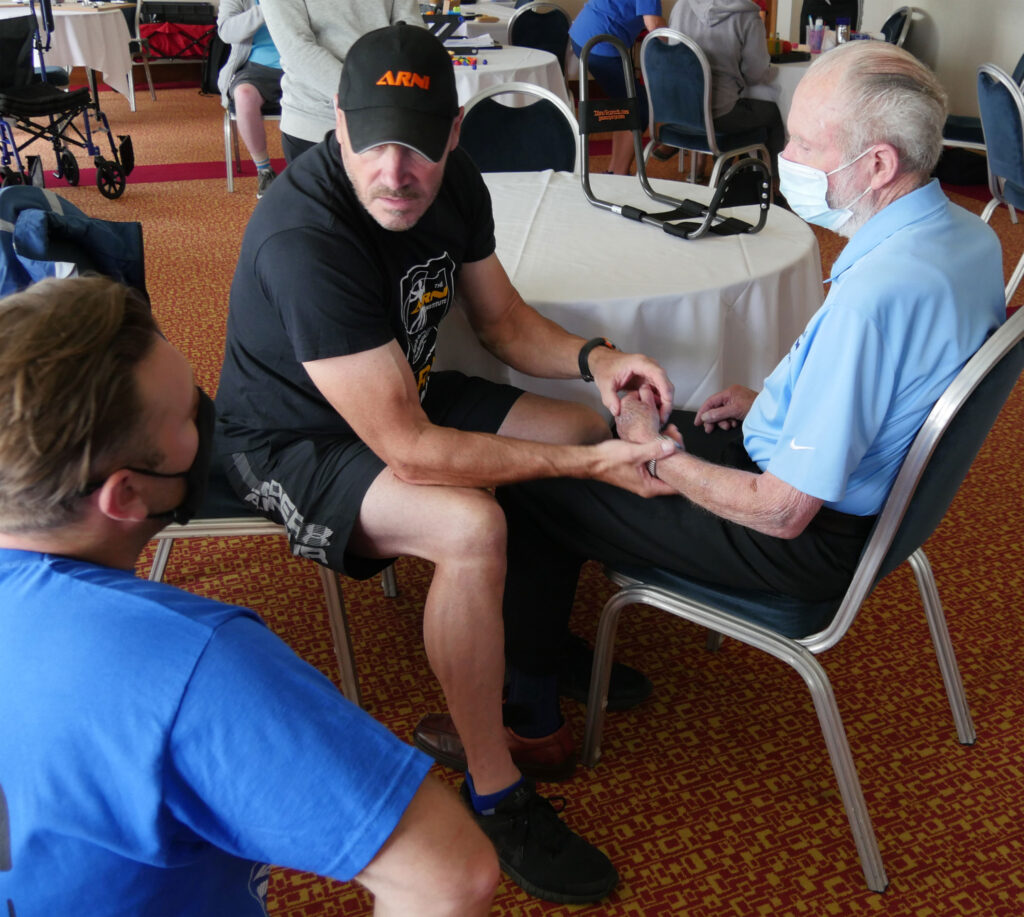



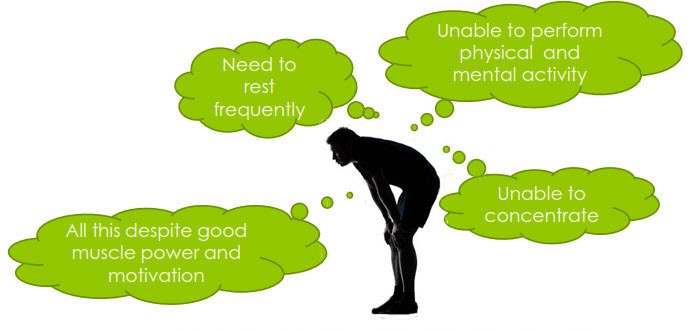 Up to 70% of survivors experience fatigue that includes overwhelming physical and/or mental tiredness or exhaustion. And 50% find tiredness to be their main problem.
 The University of Southampton has started running a research study which builds on previous work where a smartphone app was developed to capture fatigue via a Fit-Bit watch as it happens in real-time.
 18 years or older.
 The aims of this are to:
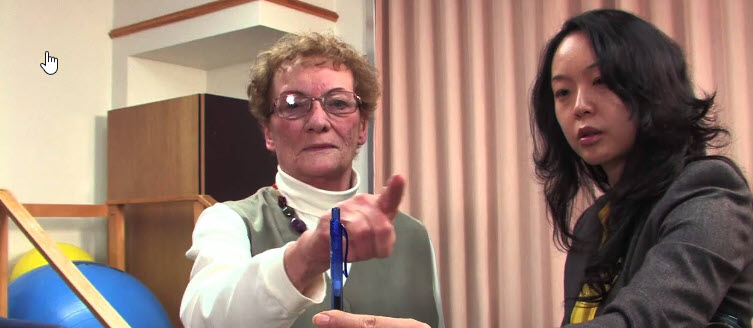
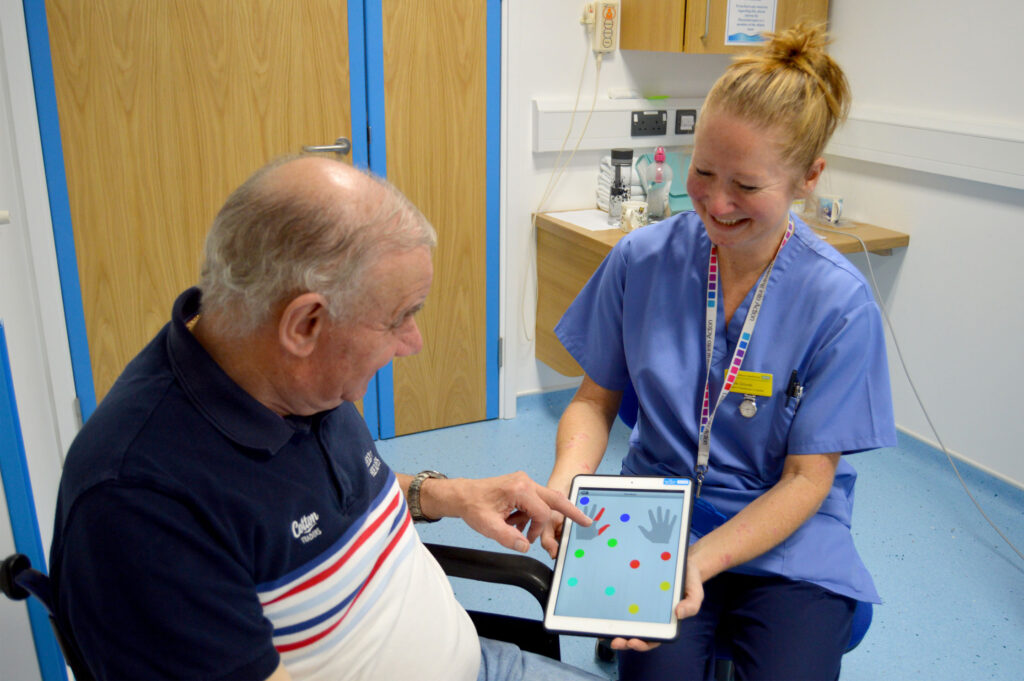
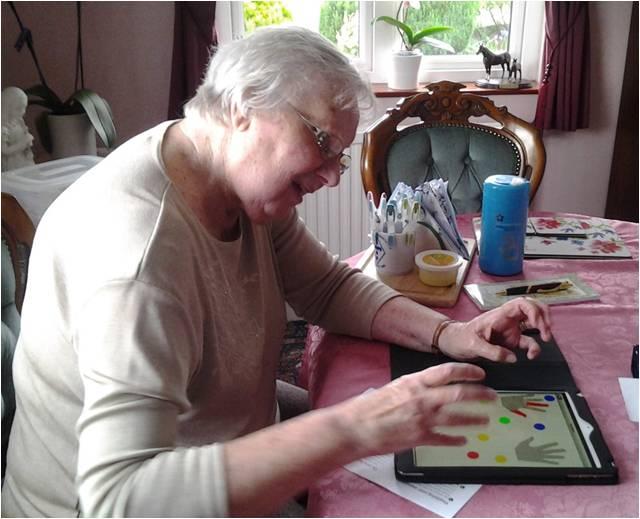

 The survey is supervised by Dr Stephanie Rossit and has been granted ethical approval by the School of Psychology Ethics Committee at the University of East Anglia.